
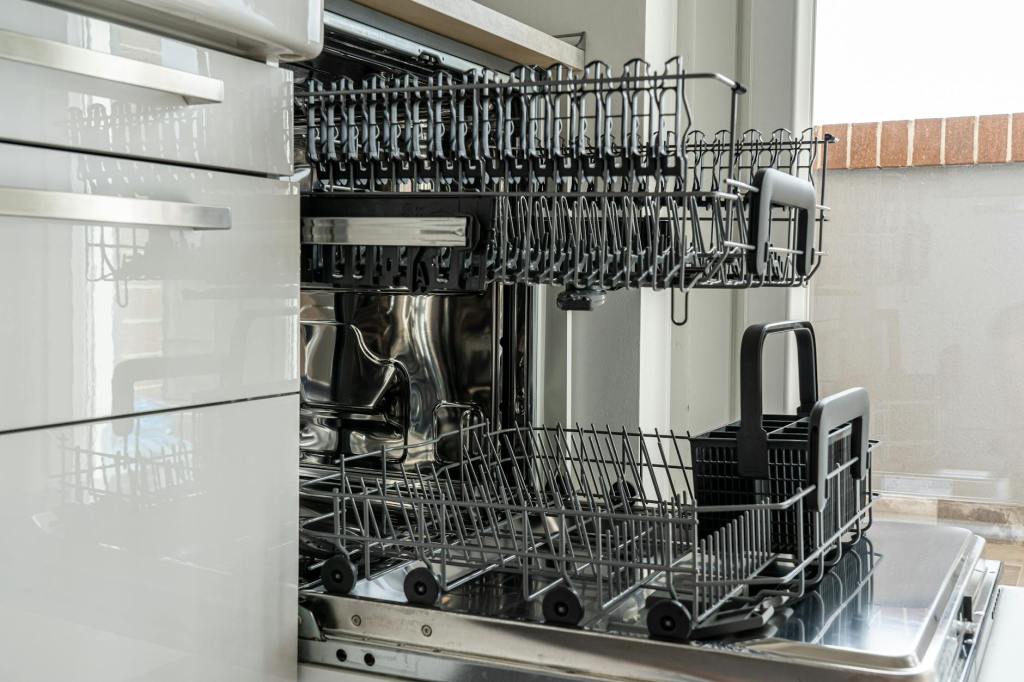
What’s Legal, What to Watch For, and the Best Options for Renters
Thinking of installing a dishwasher yourself? You’re not alone — and in many cases, it’s totally doable. But in New Zealand, there are legal limits on what plumbing and electrical work you’re allowed to do yourself.
This guide breaks down:
- ✅ When it’s safe to DIY
- 🛠️ What tools and steps are involved
- 🚫 When to call a pro
- 💡 Plus: the best option for renters — benchtop dishwashers
✅ When It’s Safe to DIY Your Dishwasher Install
You can install your own dishwasher if all of the following are true:
- You’re connecting to an existing water outlet and drain
- The hoses have standard screw-on fittings
- There’s no need to cut pipes or add new plumbing
- You’re plugging into a normal power outlet
This applies to most modern dishwashers being swapped into an existing dishwasher space.
🧰 What You’ll Need:
- Adjustable spanner or wrench
- Thread tape (for watertight seals)
- Hose clamp (optional but useful)
- Bucket and towel (for spills)
- Your dishwasher’s manual
🍽️ What About Benchtop Dishwashers?
Benchtop dishwashers are a brilliant option for renters or small households. They don’t need plumbing — and they’re 100% legal to install yourself.
✅ Most benchtop units:
- Plug into a regular power outlet
- Connect to your kitchen tap (with an adapter)
- Drain into the sink directly
- Sit on your bench or under a shelf
They’re portable, energy-efficient, and don’t require landlord approval (as long as you don’t modify the plumbing).
👉 Example: Midea Smart Benchtop Dishwasher – Trade Depot
👉 Example: Midea Benchtop Dishwasher – The Warehouse
⚠️ Some taps (especially mixer taps) may not fit standard adapters — check the specs before buying.
🚫 When You Shouldn’t DIY
If any of these apply, you need a licensed plumber:
- No existing plumbing under your sink
- You need to cut into pipes or install new outlets
- You’re placing the dishwasher somewhere new
- The fittings are unusual, copper, or deteriorated
👷 Check a plumber’s licence here: PGDB Register
⚡ What About the Power?
Most dishwashers just plug in. But if:
- There’s no nearby outlet, or
- You need to modify electrical wiring…
→ You’ll need a licensed electrician.
Hard-wiring a dishwasher or adding a new socket isn’t legal DIY.
🧠 Tips Before You Start
- Double-check hose length and clearance behind the unit
- Use thread tape on hose threads to prevent leaks
- Run a test cycle with a towel under the unit
- Photograph the plumbing setup before and after — just in case
🧯 Landlord or Renter?
✅ You’re more likely to get approval if:
- The dishwasher is freestanding or benchtop
- No permanent plumbing or cabinet mods are needed
- You agree to leave the space as it was
📋 Always get permission in writing.
Some landlords may allow full installs, but many prefer portable options.
💡 Final Word
If your kitchen is dishwasher-ready, installing a unit yourself is often legal and straightforward.
But if pipes need to be cut — or you’re saying “how hard can it be?” — bring in a pro. It’s cheaper than a flooded kitchen.
 Better Whare
Leave a comment