
Electrical, Plumbing & Building Rules You Need to Know
If you’re a hands-on homeowner or renter, DIY can save serious money. But in New Zealand, not everything is legal to do yourself — especially when it comes to plumbing, electrical work, and structural changes.
This guide breaks down what you can do, what needs a licensed tradie, and what could land you in trouble if done wrong.
⚡ What Electrical Work Can You Do Yourself?
The rule: You can only do very basic electrical work.
✅ Legal DIY jobs:
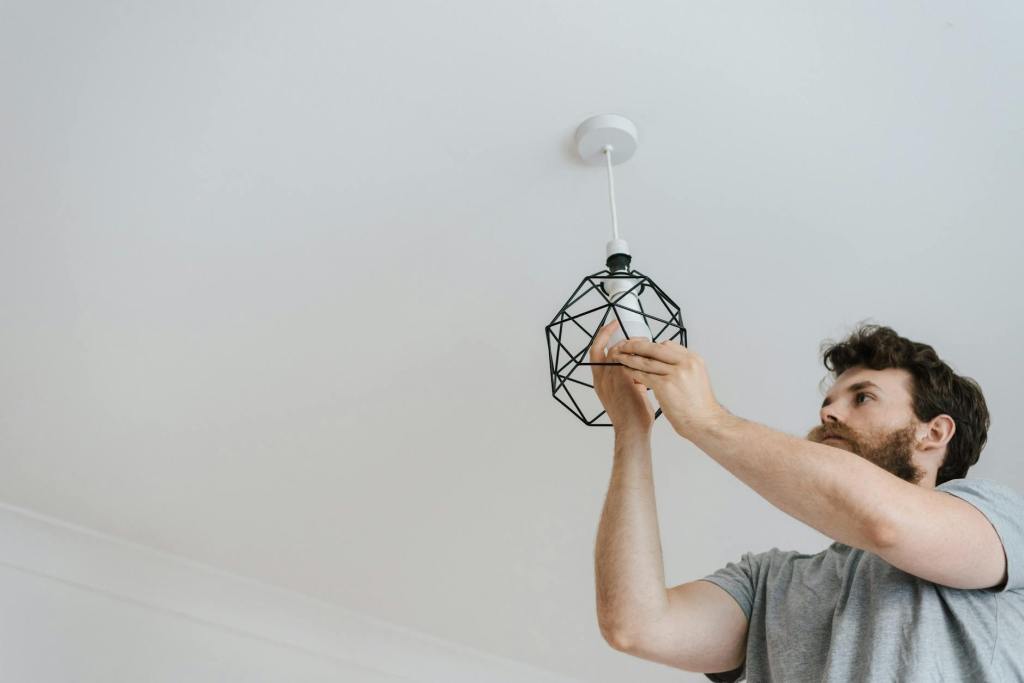
- Changing light bulbs or LED strips
- Replacing light fittings (only if there’s no wiring change)
- Installing battery-powered devices (e.g. smoke alarms, security cameras)
- Using plug-in appliances or smart plugs
🚫 Not legal:
- Wiring new sockets
- Replacing switches
- Altering fuse boxes or switchboards
- Installing downlights or ceiling fans
Always hire a licensed electrician for anything wired into the mains.
🧰 Check them here: EWRB Register
🚿 What Plumbing Work Can You DIY?
NZ plumbing law is strict — most jobs require a registered professional.
✅ Legal DIY jobs:
- Changing tap washers or cartridges
- Replacing shower heads
- Installing washing machines or dishwashers if hoses just screw on
- Connecting a fridge to a water source if using existing fittings
🚫 Not legal:
- Running new pipes
- Moving sinks or toilets
- Connecting gas appliances
- Installing new drains
📋 Use the PGDB Register to check if a plumber or gasfitter is certified.
🧱 What About Building or Renovation Work?
This is where it gets murky. Some work is exempt under Schedule 1 of the Building Act — but not all.
✅ Likely OK to DIY:
- Painting, tiling, or plastering
- Putting up shelving (not load-bearing)
- Building a deck under 1.5m high
- Installing kitchen cabinets (non-structural)
- Building a garden shed under 10m² (with some rules)
🚫 Not OK without help:
- Removing or altering structural walls
- Changing roof lines
- Building a deck over 1.5m
- Anything involving weathertightness (cladding, windows, roofing)
🔍 Check with your council — even “minor” work may need consent.
❌ What Happens If You Get It Wrong?
- Your insurance may not cover damage from unlicensed work
- You could be fined
- You may not get a Code Compliance Certificate (CCC)
- It could stop you selling your house
🧠 Final Tip
If you’re ever unsure, here’s your rule of thumb:
If it plugs in, paints over, or screws together — it’s probably fine.
If it wires in, drains out, or holds up the roof — hire a pro.
 Better Whare
Leave a comment