
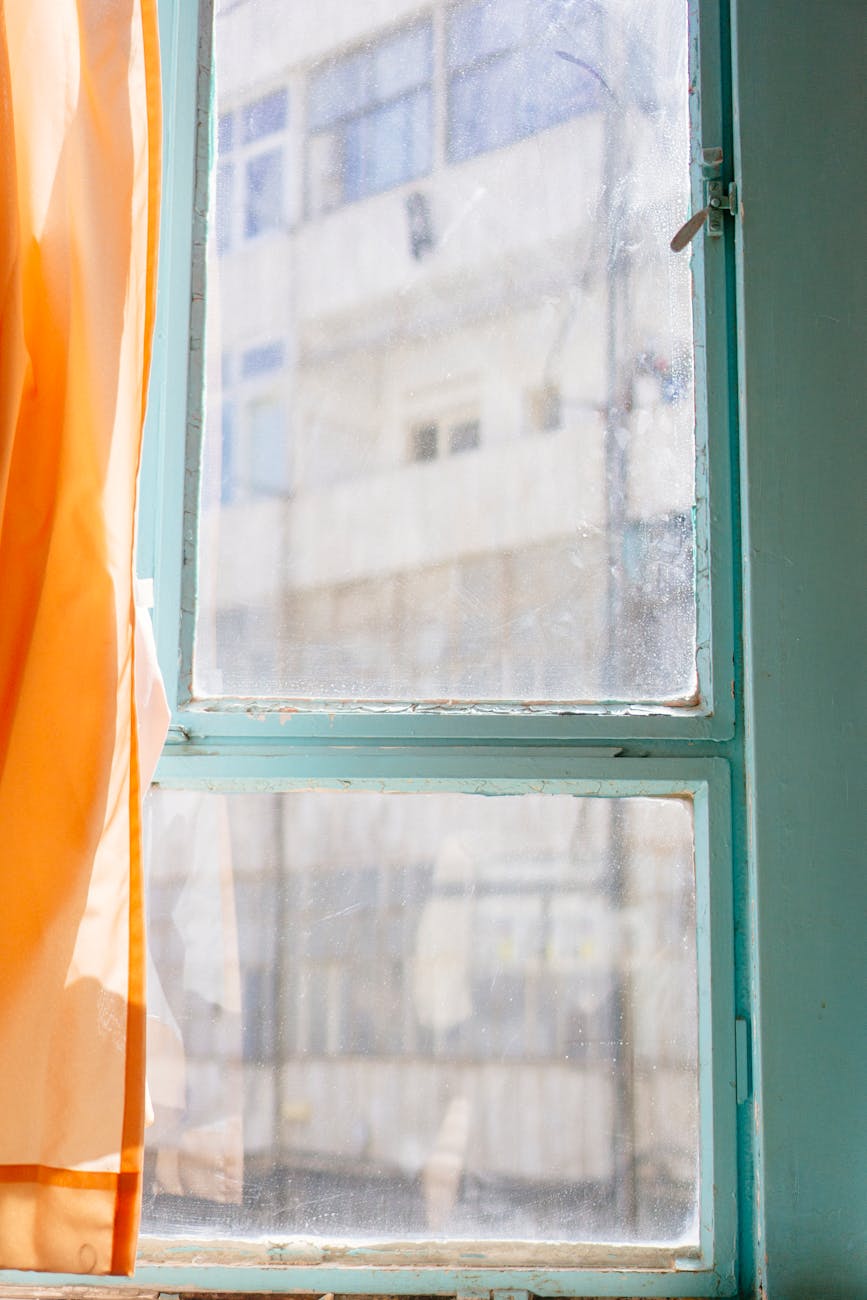
If you’re renting in New Zealand, you’re likely familiar with the challenges of condensation-covered windows, persistent mould, and that unmistakable damp chill. While you can’t overhaul the building, there are renter-friendly strategies to improve ventilation and reduce moisture.
Here are 8 practical tips to enhance airflow and keep your home drier and healthier.
1. Open Windows Daily. Yes, Even in Winter
Ventilating your home for just 10–15 minutes a day can significantly reduce indoor moisture. Aim for cross-ventilation by opening windows on opposite sides of your home to encourage airflow.
2. Use the Bathroom Fan (and Keep It On Longer)
If your bathroom has an extractor fan, run it for at least 10 minutes after showering to expel humid air. No fan? Open a window slightly and consider using a moisture absorber (see below) to mitigate dampness.
💡 Heads up: Under New Zealand’s Healthy Homes Standards, a bathroom extractor fan is required in rentals — unless the landlord has obtained an exemption due to impractical installation. If you’re not sure, it’s worth asking your landlord or property manager to confirm whether your rental is compliant.
3. Keep Interior Doors Open (When You’re Not Heating)
Allowing air to circulate freely by keeping doors open during the day can prevent stale air buildup. Close doors to unheated rooms at night to retain warmth.
4. Dry Washing Outside (or Near a Window With a Fan)
Indoor drying releases significant moisture into the air. Whenever possible, dry clothes outside. If drying indoors is necessary, place the drying rack near an open window or use a dehumidifier to capture excess moisture.
5. Use a Dehumidifier in High-Moisture Rooms
Dehumidifiers can be game-changers in damp environments. Here are some options:
- Lenoxx DH100 Thermo Electric Peltier Air Dehumidifier – The Warehouse
- Goldair Electronic Dehumidifier 12 Litre GD375 – Briscoes
- Kogan 2L Mini Dehumidifier – Kogan NZ
6. Leave Wardrobes and Cupboards Slightly Ajar
Closed storage spaces can trap moisture, leading to mould growth on clothes and shoes. Leaving doors slightly open allows air to circulate, reducing dampness.
7. Move Furniture Away from the Walls
Furniture placed directly against walls can restrict airflow, creating pockets of moisture. Maintain a gap of at least 5–10 cm to promote air circulation and prevent mould buildup.
8. Wipe Condensation Every Morning
Regularly removing condensation from windows prevents moisture from seeping into frames and walls. Equip yourself with:
🧺 Renter’s Ventilation + Moisture Control Essentials
Enhance your home’s ventilation with these renter-friendly products:
Moisture Absorbers
Window Insulation Film
💨 Final Thoughts
While you may not have control over your rental’s structural ventilation, these simple, cost-effective strategies can significantly improve air quality and reduce moisture-related issues. Implementing these tips not only enhances comfort but also helps protect your belongings and health.
Note: Product availability and prices are subject to change. Always check the retailer’s website for the most current information.
 Better Whare
Leave a comment